 lula
lula Z-value deals don’t come with a standard price tag because the term itself refers to the total perceived value of a bundled offer rather than a single line-item cost. When you spot a “z-value” sign at your local home improvement center or garden marketplace, you’re looking at a package that combines products, services, or perks into one price, and the real cost varies widely based on what’s included, the retail category, and the quality tier you choose.
The biggest factor driving z-value pricing is what components are bundled together. A garden center might package three flats of annuals, a bag of potting soil, and a weekend planting workshop under one z-value offer, while a patio furniture retailer could combine a dining set with free delivery, assembly, and a weather-resistant cover. The second factor is the baseline retail price of each item if purchased separately. Smart shoppers calculate whether the bundle truly saves money or simply repackages items at full price with one lower-value add-on thrown in.
Understanding z-value offers helps you cut through marketing language and focus on whether a deal fits your actual needs. Many families discover that bundled offers work best when they were already planning to buy most of the included items. The challenge comes when a z-value package tempts you with extras you wouldn’t normally purchase, turning what looks like savings into unnecessary spending. This guide breaks down how to evaluate z-value deals, compare costs across categories, and decide when a bundled offer genuinely saves you money versus when buying items individually makes more sense for your home and garden projects.
Understanding Z-Value: What It Really Means for Your Purchase
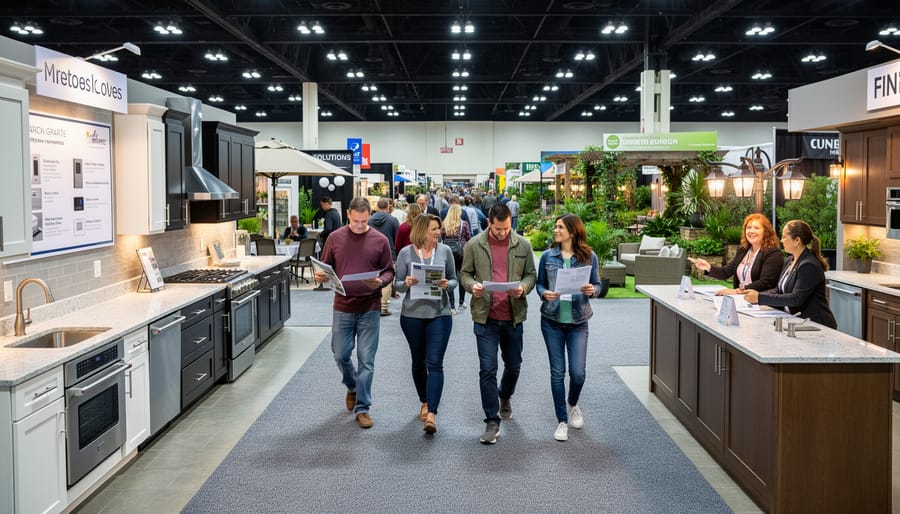
When you see “z-value” on a price tag or promotional sign at a home and garden marketplace, you’re looking at something fundamentally different from a typical sale sticker. Z-value represents the mathematical sweet spot where product quality, useful features, and long-term durability intersect with price. It’s not about finding the cheapest option on the shelf. Instead, it measures how much actual value you receive for every dollar spent.
Think of it this way: a $15 garden hose that splits after one season has terrible z-value, even if it was marked down from $20. Meanwhile, a $45 reinforced hose with a 10-year warranty and brass fittings delivers exceptional z-value because you’re buying once, not three times. The price point alone doesn’t tell you the whole story.
This concept matters enormously in home improvement and gardening purchases because you’re making decisions that affect your property for years. A discounted paint that requires three coats and fades within 18 months wastes both money and your weekend time. A moderately priced exterior paint with built-in primer and fade resistance might cost 30% more upfront but delivers far superior z-value over its lifespan.
Z-value also accounts for features that directly impact usability. A basic pruning shear at $12 represents poor value if it causes hand fatigue and makes imprecise cuts. An ergonomic model with replaceable blades at $28 offers higher z-value because it performs better and lasts longer. You’re evaluating total cost of ownership, not just initial outlay.
Z-Value Costs Across Product Categories
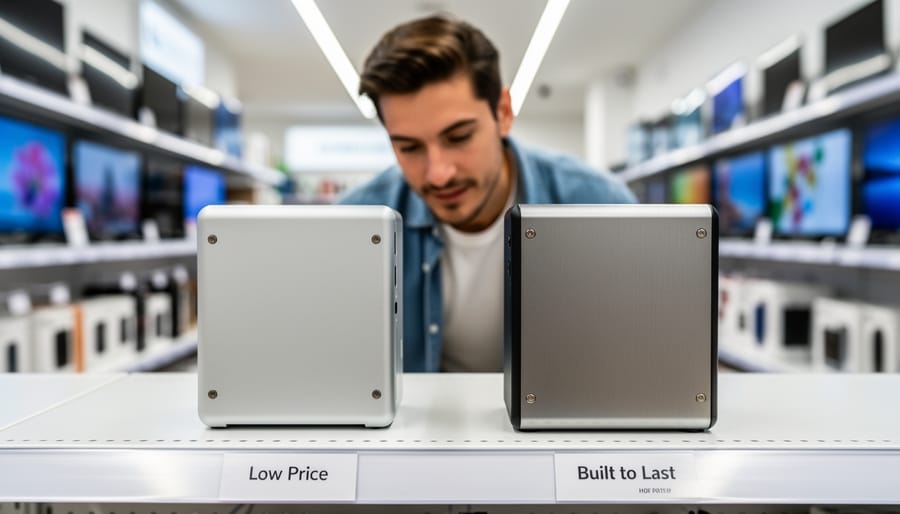
Z-value pricing shifts dramatically depending on what you’re shopping for at home and garden shows. Each product category carries its own expectations around quality, durability, and features, which means the sweet spot between price and value lands in different places. Understanding these variations helps you recognize when a deal genuinely delivers or when you’re paying premium prices for standard goods.
Gardening Tools and Equipment typically offer strong z-value in the $25-$150 range. At this price point, you’re looking at durable hand tools with ergonomic grips, quality steel construction that resists rust, and often lifetime warranties. A $45 pruner that lasts twenty years beats a $12 version you replace every season. Power equipment like tillers and leaf blowers jump to $200-$600, where z-value shows in reliable motors, easy-start mechanisms, and multi-year warranties.
Home Improvement Materials present z-value through longevity and performance rather than upfront savings. Flooring samples at $3-$8 per square foot might seem expensive until you factor in scratch resistance, moisture barriers, and twenty-year wear guarantees. Paint priced at $45-$75 per gallon delivers better coverage and fade resistance than budget options, meaning fewer coats and longer intervals between repaints.
| Product Category | Typical Price Range | Expected Z-Value Features | Example Products |
|---|---|---|---|
| Gardening Tools | $25-$150 | Rust-resistant materials, ergonomic design, lifetime warranties | Pruning shears, spades, cultivators |
| Outdoor Furniture | $300-$1,200 | Weather-resistant fabrics, UV protection, 3-5 year warranties | Patio sets, hammocks, outdoor sectionals |
| Smart Home Tech | $80-$400 | Energy monitoring, app integration, professional installation included | Smart thermostats, irrigation controllers, security cameras |
| Landscaping Services | $500-$3,500 | Design consultation, plant guarantees, seasonal maintenance packages | Garden design, hardscaping, irrigation systems |
Outdoor Furniture delivers z-value when pieces withstand years of sun and rain without fading or warping. Sets in the $300-$1,200 range should feature weather-resistant cushions, powder-coated frames, and warranties covering structural integrity. Cheaper furniture might cost half as much but need replacement in two seasons.
Smart Home Technology offers z-value through energy savings and convenience. A $180 smart thermostat that cuts heating costs by 15% pays for itself within two years while adding comfort. Similarly, smart irrigation controllers at $120-$250 prevent overwatering, reducing water bills and keeping plants healthier.
Landscaping Services command higher prices ($500-$3,500 for most projects) but bundle design expertise, proper installation, and plant guarantees. The z-value emerges when professionals select plants suited to your soil and climate, preventing costly do-overs.
Seasonal Decor shows the widest z-value range. Premium items at $40-$200 use fade-proof materials and modular designs that work across multiple holidays, while budget decor under $20 serves single-season needs perfectly well.
Breaking Down the True Cost of Z-Value Deals
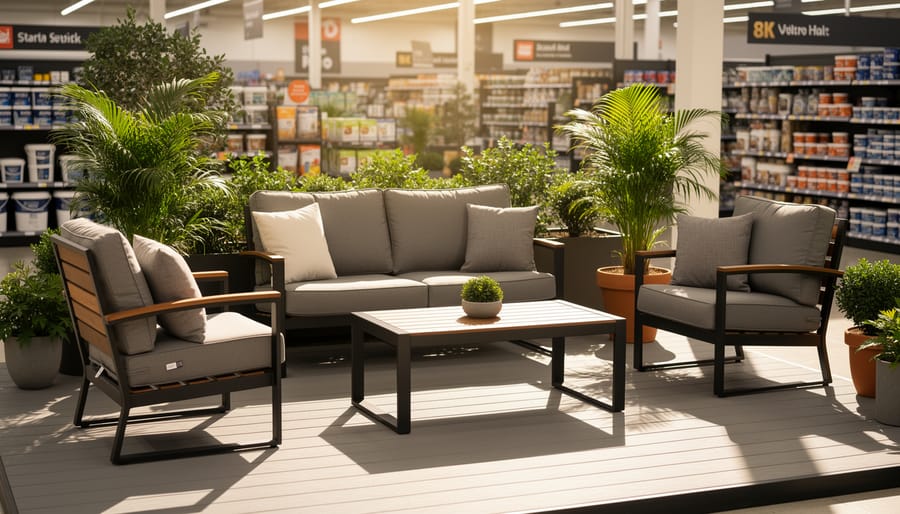
When you spot a z-value deal at a home and garden show, the displayed price is just the starting point. Understanding what’s actually included, and what you’re really paying for, helps you separate genuine value from clever marketing.
Product Quality and Materials
The foundation of any z-value deal lies in what the item is made from. A $150 garden tool set might seem expensive compared to a $40 alternative, but if it features hardened steel blades, powder-coated rust protection, and ergonomic grips that last a decade versus two seasons, the mathematics change. Ask exhibitors about material specifications, construction methods, and expected lifespan. Quality materials cost more upfront but typically deliver better value over time.
What’s Actually Included in the Price
Smart shoppers break down the total package into individual components:
- Base product price covering the core item and standard features
- Warranty extension beyond manufacturer defaults, often 3-5 years at shows versus 1 year retail
- Installation or delivery services that might cost $100-300 separately
- Maintenance packages including annual tune-ups or seasonal care guidance
- Bonus items or bundle components like matching accessories, care products, or complementary tools
Calculate what each component would cost separately. A $500 patio furniture set that includes delivery ($75), a 5-year warranty ($50 value), and $100 worth of weatherproofing spray suddenly looks different than the same furniture for $450 without extras.
After-Sale Support and Services
Show exhibitors often sweeten deals with ongoing support that typical retailers don’t offer. This might include free seasonal maintenance clinics, replacement part discounts, or access to expert advice months after purchase. Some vendors provide installation support through video tutorials or phone consultations, saving you the cost of hiring help later. These services have real monetary value, professional consultations typically run $75-150 per hour, so factor them into your z-value calculation when comparing similar products across different booths.
What Influences Z-Value Pricing?
Several factors work together to determine the z-value pricing you’ll encounter at home and garden shows, and understanding these influences helps you spot genuine deals versus inflated “discounts.”
Manufacturer Reputation and Brand Positioning
Established brands typically command higher base prices because they’ve built trust through consistent quality and reliable warranties. A premium garden tool manufacturer can charge more while still offering good z-value if their products last twice as long as budget alternatives. Lesser-known brands often compensate with aggressive pricing to break into the market, creating opportunities for savvy shoppers willing to research newer names.
Materials and Construction Quality
The raw materials and craftsmanship directly impact both price and longevity. Stainless steel garden tools cost more than painted carbon steel, but they resist rust and outlast cheaper options by years. Similarly, solid wood outdoor furniture carries a higher price tag than composite materials, yet provides better durability in harsh weather. Pay attention to construction details like reinforced joints, heavy-duty fasteners, and quality finishes.
Seasonal Timing and Inventory Clearance
Exhibitors adjust z-value pricing based on the calendar. Spring shows feature premium pricing on gardening supplies as demand peaks, while fall events offer deeper discounts on outdoor furniture as vendors clear seasonal inventory. End-of-show pricing on the final day often delivers the steepest cuts as exhibitors prefer selling over hauling items back to warehouses.
Show-Exclusive Promotions and Exhibitor Incentives
Vendors invest in booth fees and travel costs to attend shows, creating motivation to move volume through special packages unavailable in retail stores. Many exhibitors offer show-only bundle deals or waive delivery fees to justify their event expenses. These promotions can significantly boost z-value if you were planning related purchases anyway.
Volume Purchase Opportunities
Buying multiples or coordinating with neighbors unlocks better pricing on many items. Landscaping materials, mulch, pavers, and fencing often come with volume discounts that improve z-value substantially. Some exhibitors extend contractor pricing to customers purchasing above certain thresholds.
Competition Among Vendors
Events featuring 600+ booths create natural price competition. When five different exhibitors sell similar patio furniture or lawn equipment, they must sharpen their z-value propositions to stand out. Walk the entire show before committing to compare what different vendors include at comparable price points.
Evaluating Z-Value: DIY Purchases vs. Professional Services
The z-value equation shifts dramatically when you factor in your own labor and skill level. A $200 paver patio kit might seem like exceptional value compared to a $1,500 professional installation, but that calculation changes when you consider the 12 hours of back-breaking work, the $80 tool rental, and the risk of an uneven surface that pools water after the first rain.
DIY purchases typically deliver the best z-value when you’re tackling straightforward projects that match your existing skill set. Installing pre-assembled garden beds, hanging window boxes, painting outdoor furniture, or setting up basic irrigation timers are all projects where the learning curve is gentle and mistakes are easily corrected. If you already own the necessary tools, or can borrow them from a neighbor, the savings translate directly into genuine value. Tool rental programs at many home improvement stores also tip the scales toward DIY for one-time projects, renting a power washer for $45 beats paying $300 for professional deck cleaning.
The workshops offered at home and garden shows create an interesting z-value opportunity. Spending 90 minutes learning proper mulching techniques or container gardening basics from an expert can turn a potentially frustrating DIY project into a confident weekend activity. You gain knowledge that applies to future projects, multiplying the value beyond a single purchase.
Pros
- Direct cost savings of 40-70% compared to professional installation on simple projects
- Complete control over materials, timeline, and project execution without coordinating schedules
- Skills gained become reusable assets for future home and garden projects
- Show workshops often include free instruction and insider tips from product experts
Cons
- Hidden costs in tool purchases, materials waste, and correction of mistakes can erase savings
- Time investment may exceed 3-5x professional completion time for unfamiliar tasks
- No warranty coverage if installation problems emerge from DIY work
- Physical demands and safety risks increase with complex projects like tree removal or electrical work
Professional services justify their higher price tag when projects involve specialized expertise, licensing requirements, or significant risk. Electrical work for outdoor lighting, gas line installation for fire pits, structural deck repairs, and large tree removal all fall into this category. The professional’s warranty and insurance coverage add substantial z-value that DIY simply can’t match, if your self-installed retaining wall fails and damages your neighbor’s property, you’re on the hook. When a licensed contractor’s work fails, their insurance and guarantee protect you.
Complex installations also reveal the hidden value in professional efficiency. A landscaper can transform your front yard in two days while the same project might consume four weekends of your time. If those weekends represent missed family activities or lost freelance income, the professional route delivers better total value. At home and garden shows, many exhibitors offer package deals that bundle products with installation at discounted rates, creating a z-value sweet spot that’s hard to achieve separately.
Maximizing Z-Value at Home and Garden Shows

Walking through a show with 600+ booths can feel overwhelming, but a solid game plan turns that variety into your biggest advantage. The key is treating the event like a research opportunity first and a shopping trip second.
Start by hitting the workshops early in the day. These sessions give you insider knowledge about products before you browse the floor, you’ll learn what features actually matter, which materials hold up over time, and what price points make sense for different quality levels. Armed with that context, you can spot genuine value when exhibitors pitch their deals.
Create a dedicated comparison route through the show. Visit at least three booths selling similar products before you commit to anything. Take photos of price tags, jot down what’s included in each package, and ask specific questions about warranties and after-sale support. Most vendors expect this and respect informed shoppers.
Bundle packages often hide the best z-value deals at these events. Don’t just look at individual item prices, ask exhibitors what they’ll throw in if you buy multiple products. A patio furniture vendor might include cushions or weatherproofing treatment. A tool seller could add extra batteries or a carrying case. These add-ons increase your total value without changing the base price much.
Timing matters more than people think. The final hours of a multi-day show often bring steep discounts as exhibitors want to avoid hauling inventory home. If you’ve done your research on day one, you can swoop in during the last afternoon with confidence about which deals genuinely improve versus the opening-day offers.
- List your needs and wants before you arrive, distinguishing between must-haves and nice-to-haves
- Set quality benchmarks by attending workshops or researching products beforehand
- Compare offerings from at least three vendors, documenting prices, features, and included services
- Calculate total cost of ownership, including warranties, maintenance, installation, and long-term durability
- Negotiate final pricing using your research and competitive offers as leverage
Use the family activities strategically. While kids enjoy hands-on demonstrations or craft stations, you can have focused conversations with exhibitors without distractions. Tag-team with a partner, one person entertains while the other negotiates, then switch. This approach keeps everyone happy and gives you the mental space to make smart decisions.
Don’t hesitate to negotiate, especially at smaller vendor booths. Ask if they can match a competitor’s price, waive delivery fees, or extend payment terms. Many exhibitors have flexibility built into their show pricing specifically for these conversations. The worst they can say is no, and you’re often surprised by what they’ll do to close a sale on the spot.
What Changes the Price
The price you pay for home and garden products shifts based on several dynamic factors beyond the product category itself. Timing plays a crucial role, early-bird shoppers often secure lower prices, while end-of-show discounts can slash costs on remaining inventory. Spring show pricing typically runs higher than fall events when vendors clear seasonal stock.
Your purchasing power also affects the final number. Buying multiple items from one vendor usually triggers volume discounts. Some exhibitors offer tiered pricing where the per-unit cost drops as you buy more.
Market conditions influence vendor pricing strategies too. When multiple booths sell similar products, competition drives prices down. Exclusive or limited-availability items command premium pricing regardless of z-value comparisons.
Payment method can shift the bottom line. Cash purchases sometimes earn modest discounts since vendors avoid credit card processing fees. Conversely, financing options may add interest costs that reduce overall value.
Show attendance levels matter as well. Slower traffic days might make vendors more willing to negotiate, while peak hours on opening day rarely see price flexibility. Weather affecting outdoor shows can create unexpected bargaining opportunities when foot traffic drops.
Common Questions About Z-Value Deals
Is the lowest price always the best z-value?
Not necessarily. The best z-value balances cost with quality, durability, and what’s included. A cheaper item that breaks quickly or needs replacement parts costs more in the long run than a moderately-priced product with solid construction and warranty coverage.
How do I compare warranties between vendors?
Look beyond the time period to what’s actually covered, parts only, parts and labor, or full replacement. Ask whether warranty service requires shipping the product back or if the vendor provides on-site support for larger items.
Are bundle packages always better value?
Only if you actually need everything included. Some bundles pad the offer with low-value extras you won’t use. Compare the bundle price against buying just what you need individually, and verify each component meets your quality standards.
Can I negotiate z-value deals at home and garden shows?
Yes, especially near closing time on the final day when vendors want to avoid packing unsold inventory. Ask about floor model discounts, multi-item purchases, or if they can match a competitor’s offer you saw at another booth.
When evaluating z-value claims, watch for red flags that signal marketing hype rather than genuine value. Vague promises like “premium quality” without specifics about materials or construction should raise questions. If a vendor can’t explain what makes their product worth the price or refuses to demonstrate features, that’s a warning sign. Be wary of artificial urgency tactics, “today only” pricing that reappears at every show, or pressure to buy immediately without time to compare options. Genuine z-value vendors welcome questions, provide clear warranty terms in writing, and let their products speak through demonstrations rather than high-pressure sales pitches.
Understanding z-value transforms your shopping experience from impulse buying to strategic investing in your home and garden. You’re not just chasing the lowest price, you’re finding that perfect balance where quality meets affordability, where what you pay genuinely matches what you get.
At your next visit to the Patriha Home and Garden Show, you’ll walk the aisles with sharper eyes. Compare offerings across those 600+ booths, ask exhibitors the right questions about materials and warranties, and attend workshops to build your product knowledge before opening your wallet. The exhibitors are there to help, and their expertise can reveal value opportunities you might otherwise miss.
Remember, the best z-value deal isn’t necessarily the cheapest or the fanciest, it’s the one that solves your specific problem, fits your budget, and delivers lasting satisfaction. Trust your evaluation process, and you’ll leave with purchases that enhance your home for years to come.