 lula
lula Your exhibition booth is competing for attention among hundreds of others, and you’ve got about three seconds to make someone stop walking. That’s the reality of trade shows in 2026, where attendees are overwhelmed with choices and distractions at every turn.
The difference between a booth that generates genuine leads and one that people breeze past often comes down to understanding a simple truth: people don’t stop for products. They stop for experiences. They pause when something invites participation, sparks curiosity, or promises immediate value they can’t get anywhere else on the show floor.
Think about the last trade show you attended. Which booths do you actually remember? Probably the ones where you touched something, learned something hands-on, or felt genuinely welcomed into a space rather than approached by aggressive salespeople. That’s not coincidence.
Creating an effective exhibition booth doesn’t require an unlimited budget or a complete redesign of your business. It requires strategic thinking about what makes your offerings tangible and memorable. Whether you’re showcasing garden products, home improvement solutions, or landscaping services, the goal is identical: transform passive observers into active participants.
The most successful exhibitors in 2026 blend smart design with interactive elements that appeal to families, serious hobbyists, and industry professionals alike. They create spaces where kids can engage safely while parents discuss business. They demonstrate rather than describe. They build miniature versions of real-world problems and show solutions in action.
What follows are tested strategies that turn ordinary booth spaces into magnetic destinations that people seek out, remember, and most importantly, buy from.
What Makes a Booth Irresistible to Home and Garden Shoppers
Home and garden shoppers arrive at exhibitions with a specific mindset. They’re planning projects, solving problems, and looking for trusted partners who understand their vision. Your booth needs to speak directly to that mindset within the first three seconds of visual contact.
Visual clarity wins attention before anything else. Shoppers scanning a crowded hall will stop at booths that communicate their purpose immediately. A garden supplier displaying lush, touchable greenery against clean white backdrops gets noticed. A home improvement vendor showcasing actual installed materials, not just brochures, earns a second look. Think of your booth as a storefront window: if someone can’t tell what you offer from fifteen feet away, they’ll walk past.
Accessibility determines whether curious shoppers become engaged conversations. Narrow aisles, cluttered tables, and staff positioned behind barriers create invisible “keep out” signals. The best booths feel open from multiple angles, with clear entry points that don’t require commitment. Shoppers testing whether they’re interested need space to pause without feeling trapped or obligated.
The sensory experience seals the deal. Home and garden products succeed when people can see, touch, and sometimes smell them. Fresh herbs in planters, textured stone samples, running water features, or the satisfying weight of quality tools all create connections that photographs can’t match. These tangible moments build confidence and trigger conversations about specific applications.
Temperature matters more than most exhibitors realize. A booth offering shade at an indoor summer show, comfortable flooring for tired feet, or a place to rest briefly becomes a destination rather than just another vendor space. Small hospitality gestures, a bowl of mints, a charging station, somewhere to set down shopping bags, show you understand your visitors are real people managing a long day.
Ultimately, irresistible booths answer the unspoken question every shopper carries: “Can these people help me achieve what I’m imagining?” Your entire design should respond with an emphatic yes.
Interactive Display Ideas That Get People Talking
Live Demonstrations and Mini-Workshops
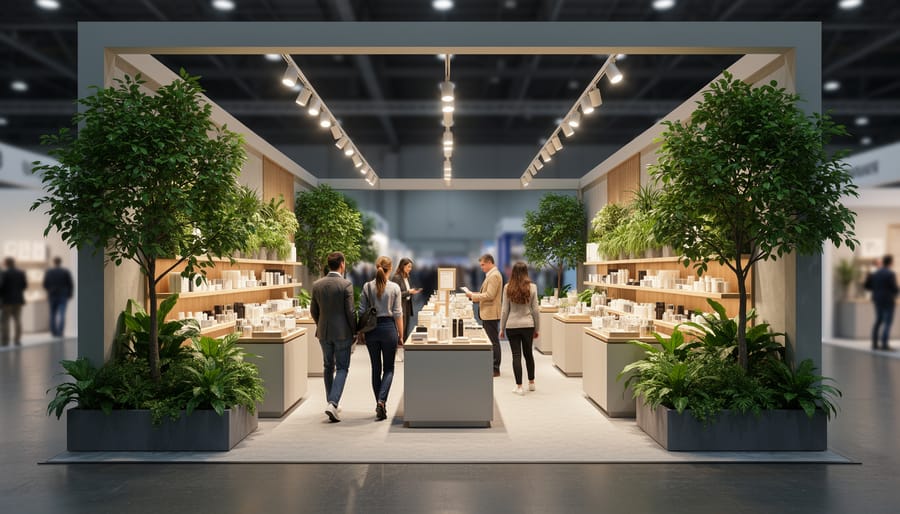
Nothing draws a crowd faster than watching an expert do something interesting. Live demonstrations transform your booth from a static display into a performance space where visitors naturally gather, stay longer, and remember you days later. The key is keeping these workshops short, focused, and repeatable throughout the show.
Aim for demonstrations that run seven to ten minutes maximum. A potter showing how to repot an orchid, a landscaper mixing custom soil blends, or a contractor demonstrating proper caulking technique, these quick sessions give visitors just enough information to be valuable without requiring a major time commitment. Schedule them at predictable intervals so your booth staff can invite passersby with “Next demo starts in five minutes.”
Pick demonstrations that showcase your product’s unique value. If you sell premium pruning shears, don’t just describe the blade quality, have a horticulturist demonstrate proper cuts on actual branches, explaining why technique matters. Garden supply vendors might show three different mulching methods side-by-side. Paint suppliers could demonstrate color-matching technology in real time.
The space requirement is smaller than you think. A four-foot-square table gives you enough room for most gardening or tool demonstrations, and you can position it so the demonstrator faces outward, drawing people in. Elevate the work surface slightly if possible, visitors standing five or six feet back should still see what’s happening.
Build in participation where appropriate. Let a volunteer from the crowd try the tool, plant the seedling, or apply the product. This creates an experience they’ll share with friends and connects them emotionally to your brand. One gardening tool company at Patriha boosted their post-show sales forty percent simply by letting visitors make their own seed starter pots during brief hands-on sessions.

Touch-and-Try Product Stations
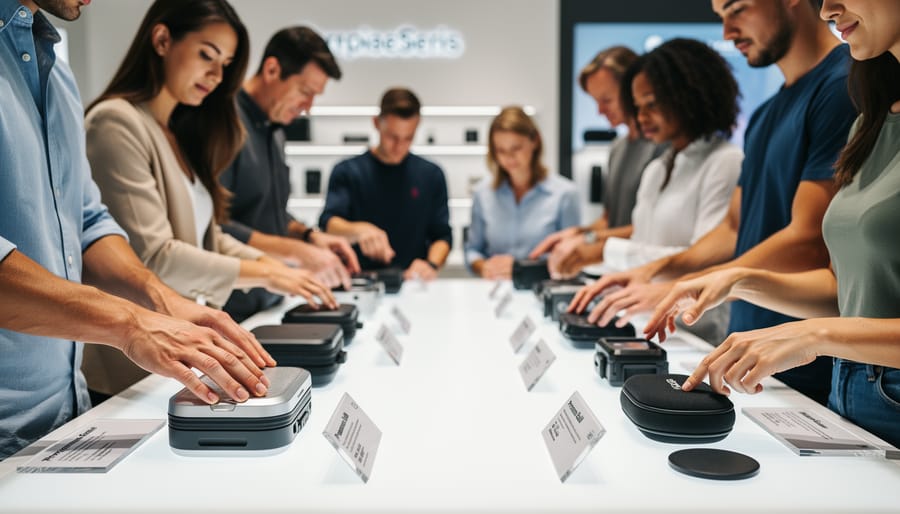
Creating stations where visitors can actually handle your products transforms passive browsers into engaged potential customers. At home and garden shows, people want to know how that pruner feels in their hand or whether that hose nozzle really adjusts smoothly before they buy.
Set up dedicated testing zones with clear “Please Touch” signage. For garden tools, secure them to the table with retractable cables so visitors can pick them up, test the grip, and try the action without staff hovering. Include sample materials they can actually use, branches for pruners to cut, or fabric swatches for upholstery cleaners to demonstrate on.
Small equipment benefits from powered stations. Let visitors turn on that compact tiller, adjust the sprinkler settings, or operate the ergonomic garden cart. Position these stations slightly away from your main display to contain noise and movement.
Consider rotation schedules for high-value items. You don’t need ten expensive power tools out simultaneously, but having two or three available for hands-on testing gives that premium touch. Include wipes and cleaning supplies nearby so each visitor gets a fresh experience, and train staff to reset stations between rushes.
Before-and-After Visual Displays
Before-and-after displays tap into something powerful: people love seeing dramatic transformations. At home and garden shows, these comparisons sell better than any sales pitch because they show tangible results.
Create split displays using large photo panels mounted side by side. A garden supplier might show a weedy, patchy lawn next to the same space six weeks after treatment. For home improvement exhibitors, consider mounting actual material samples showing weathered versus renewed finishes. Physical models work exceptionally well, a miniature garden bed showing bare soil on one half and thriving plants on the other creates an instant visual story.
Digital screens offer flexibility. Loop through multiple before-and-after sequences every 30 seconds, letting one display showcase your full portfolio. Add brief captions with specific details: “From dated to modern in 3 days” or “Water usage reduced by 40%.”
Position these displays at eye level near your booth entrance. They function as conversation starters, giving visitors a natural reason to stop and ask questions about your process.
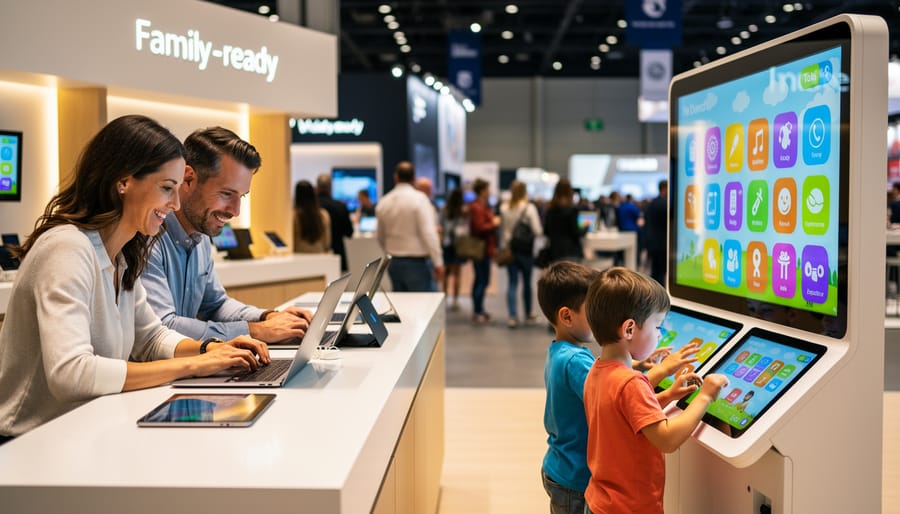
Family-Friendly Booth Features That Keep Everyone Engaged
Families make up a huge portion of home and garden show attendees, and the exhibitors who understand this simple fact consistently outperform those who don’t. When parents know their kids will be happy and occupied, they relax, slow down, and actually engage with what you’re selling. The trick is creating a booth that serves both audiences without feeling like a daycare center dropped into your display space.
Start with a dedicated kids’ corner that’s visible from your main conversation areas. Parents won’t let their children wander out of sight, so position activities where mum and dad can chat with your staff while keeping eyes on the little ones. A low table with coloring sheets featuring gardens, houses, or tools works brilliantly, kids stay busy while parents browse product catalogs nearby. Some exhibitors provide seed packet decorating stations or simple craft activities tied to their products. These cost pennies to set up but keep families at your booth three times longer than average.
Height matters more than most exhibitors realize. Kids interact with the world at knee level, so place child-friendly touchpoints lower in your display. If you sell garden tools, add a small sandbox with toy versions. Selling outdoor furniture? Include a kid-sized chair they can actually sit in. These elements give children something to do while also planting early brand recognition that pays off when they grow up and buy their own homes.
Consider noise levels carefully. Yes, you want activity and energy, but screaming kids next to your main sales area kills conversations. Create natural sound barriers with your layout, put interactive zones slightly separate from prime selling space, maybe behind a display wall or in a corner alcove.
Free giveaways work differently for families. Instead of adult-focused pens or keychains, stock items kids actually want: stickers, small potted seedlings they can take home and watch grow, or simple garden markers they’ve decorated themselves. Parents remember exhibitors who made their children smile, and that goodwill translates directly into sales conversations and post-show follow-ups.
The smartest family-friendly booths don’t feel like they’re trying too hard, they just naturally accommodate the reality that homeowners often shop as families.
Layout and Design Strategies That Maximize Foot Traffic
The layout of your booth can make the difference between a steady stream of engaged visitors and an empty space people walk past without a second glance. Think of your booth as a small retail store, you need clear pathways, obvious entry points, and a design that invites exploration without overwhelming anyone.
**Understanding Traffic Flow Patterns**
Most exhibition attendees naturally move through halls in a counterclockwise pattern, scanning booths on their right side first. Position your most eye-catching displays and key messaging on the right-hand approach to your space. Avoid creating barriers at the front of your booth, high counters, tables, or product walls that form a psychological (and physical) fence between you and potential visitors. Open corners work particularly well because they offer multiple entry points and make people feel they can step in without commitment.
The key is what designers call “penetrability.” Can someone see into your space from the aisle? Can they imagine themselves inside without feeling trapped? Arrange your displays so there’s a clear sight line through the booth, creating depth that draws people in.
| Layout Type | Traffic Flow | Best For | Key Advantage |
|---|---|---|---|
| Inline (10×10) | Single entry from front | First-time exhibitors, limited budgets | Maximize vertical space, focused messaging |
| Corner Booth | Two open sides | Demonstrating larger products, workshops | 40% more traffic exposure than inline |
| Peninsula (three sides) | Multiple entry points | Interactive displays, high-traffic areas | Visible from three aisles |
| Island (all sides open) | 360-degree access | Major brands, large product showcases | Maximum visibility and flow |
**Strategic Product Placement**
Position your hero products, the items you most want to sell, at eye level and slightly inside your booth, not right at the edge. This placement encourages people to take that crucial first step into your space. Place lower-priority items or informational materials deeper in the booth, creating a reason for visitors to move through the entire space.
For garden and home improvement products, consider height variation. Put soil amendments and small tools on raised platforms so people don’t have to bend down. Hang larger items like garden tools or lighting fixtures overhead, but ensure they’re secured properly and won’t create hazards.
**Creating Welcoming Spaces**
Following principles of accessible booth design isn’t just about compliance, it’s about making everyone feel comfortable. Leave at least five feet of aisle width inside your booth for wheelchair access and parent-with-stroller navigation. Avoid placing all your seating in one corner; scattered seating options give tired shoppers rest spots while keeping them engaged with different product areas.
Staff positioning matters enormously. Don’t line up your team across the front like guards at a gate. Instead, position them throughout the space, engaged with displays or demonstrations. They should look approachable and busy with purposeful activity, not desperate or bored. This creates natural conversation opportunities as visitors explore.
Eye-Catching Visual Elements for 2026 Shows
Signage That Works at Every Distance
Your booth’s signage needs to work like a funnel, pulling people in from far away and guiding them once they arrive. Start with overhead banners at least 24 inches tall featuring your company name and a single compelling benefit in bold, high-contrast colors. These need to be readable from 50 feet away, so skip detailed messages.
At medium range, about 10 to 15 feet, place secondary signs that explain what you offer. Use 72-point font minimum and stick to five words or fewer per line. This is where you might highlight a specific product category or promotion.
Up close, visitors need product details. Print specifications, pricing, and feature lists in 18 to 24-point fonts on tabletop displays or product tags. Use bullet points rather than paragraphs.
The hierarchy matters: if every sign shouts equally loud, none gets noticed. Your overhead banner carries the brand, your mid-range signs communicate the value, and your close-up materials seal the deal. Test readability by viewing your designs at actual distances before printing, and remember that lighting in exhibition halls often washes out pale colors.
Lighting Techniques That Draw the Eye
Good lighting transforms a booth from a plain display into a three-dimensional experience that pulls visitors in from across the hall. Start with layered illumination: bright overhead lights ensure your space doesn’t feel dim or uninviting, but spotlights create drama by highlighting your best products or features. A single spotlight on a beautifully staged garden vignette or an elegant countertop sample draws the eye instantly and makes those items feel premium.
Ambient lighting sets the mood and helps define your booth’s personality. Warm LED strips along shelving create a welcoming glow perfect for home décor products, while cooler tones suit modern appliances or outdoor equipment. Track lighting gives you flexibility to adjust beams throughout the show, directing attention wherever you need it most.
Special effects can differentiate your space without going overboard. Uplighting behind translucent panels creates depth, while color-changing LEDs can reflect seasonal themes or brand colors. For garden products, consider subtle backlighting to make plants and flowers look vibrant even under harsh exhibition hall lights.
Avoid common pitfalls: don’t blast your entire booth with uniform brightness (it flattens everything), and skip flickering or rapidly changing effects that annoy rather than attract. Position lights so they illuminate products and faces, not create glare or dark shadows. Test your setup before the show opens, what looks perfect during setup might feel different once neighboring booths switch on their displays.
Working with Exhibition Booth Suppliers: What to Know
Choosing the right exhibition booth supplier can make or break your show experience. These professionals do more than just rent you a space, they bring design expertise, construction capabilities, and logistical support that turns your vision into reality.
Start by understanding what full-service suppliers actually provide. Most handle everything from initial design concepts to on-site installation and post-show dismantling. They’ll create 3D renderings so you can visualize your booth before committing, suggest layouts that maximize your floor space, and coordinate delivery to match your show schedule. Many also offer storage between events, which saves you the headache of finding warehouse space for your displays.
When interviewing potential suppliers, ask about their experience with home and garden shows specifically. These events have different requirements than tech conferences or fashion expos. You need someone who understands how to display plants without damaging them, how to create stable platforms for heavy garden equipment, and how lighting affects how paint colors and fabrics appear under exhibition hall conditions.
Get clear on customization limits early in the conversation. Some suppliers work primarily with modular systems that you can personalize with your branding and specific product displays. Others build completely custom booths from scratch. Modular options cost less and set up faster, but custom builds let you create truly unique spaces that reflect your brand personality. For most home improvement and garden businesses, a hybrid approach works well, starting with a solid modular framework and adding custom elements like a garden vignette or tool display wall.
Pricing structures vary widely. Request detailed quotes that break down design fees, construction costs, rental versus purchase options, shipping, installation labor, and any additional charges for modifications or extended rental periods. Some suppliers charge flat project fees while others bill hourly for design work. Ask whether graphics, lighting, and furniture are included or billed separately.
Timing matters more than you might think. The best suppliers book up months before major shows, especially for peak seasons like spring garden events. Reach out at least four to six months ahead for 2026 shows to secure your preferred partner and allow enough time for design revisions. Last-minute bookings often mean limited options and rush fees.
Finally, check references from other exhibitors in your industry. A supplier who creates stunning automotive displays might struggle with the specific challenges of showcasing live plants or demonstrating messy DIY projects. Look for proven experience creating the interactive, family-friendly environments that work at home and garden exhibitions.
Budget-Friendly Booth Ideas That Still Make an Impact
You don’t need a massive budget to create a booth that draws crowds. The most successful exhibitors at home and garden shows understand that strategic spending beats lavish spending every time.
Start with what you already own. That workshop table gathering dust in your garage? Clean it up, add a tablecloth, and you’ve got a product display surface. Your company truck parked outside? Use it to store backup inventory and supplies, saving costly on-site storage fees. Many exhibitors overlook the goldmine of materials they already have, from shelving units to lighting to branded banners from previous events.
| Category | Premium Option | Budget Alternative |
|---|---|---|
| Display Structure | Custom modular system (£2,000-5,000) | Pipe-and-drape with fabric panels (£300-600) |
| Flooring | Custom carpet or interlocking tiles (£500-1,200) | Indoor/outdoor rugs from home stores (£80-200) |
| Signage | Backlit graphics (£800-2,000) | Foam board prints with clip lights (£100-250) |
| Product Displays | Custom fabricated stands (£600-1,500) | Painted crates, garden planters, shelving (£50-150) |
When you do rent from suppliers, negotiate package deals. Most booth companies offer discounts if you commit to multiple shows or bundle services like setup, graphics, and furniture together. Ask specifically about their inventory from previous clients; sometimes display elements from past campaigns are available at steep discounts.
Invest your limited funds where visitors notice most. Splurge on one excellent overhead banner that people can spot from 20 metres away. Skimp on the floor covering by using attractive outdoor rugs instead of custom carpeting. Put money into quality product samples visitors can touch and take home, not fancy brochure holders.
Build reusable elements from the start. Magnetic graphic panels can be updated between shows without replacing the entire frame. Modular shelving reconfigures for different booth sizes. Neutral-colored base structures work for any season, while you swap out accent colors and seasonal decorations.
The garden centre down the road might lend you plants for the weekend in exchange for prominent signage crediting them. Local art students often create custom graphics for portfolio pieces at a fraction of professional rates. Think partnerships, not just purchases, and your budget stretches considerably further.
Common Booth Mistakes (and How to Avoid Them)
Even the most creative booth concept can fail if you make these preventable mistakes.
Cluttered displays overwhelm visitors rather than invite them in. When every surface holds products, banners, brochures, and samples, people can’t identify what you actually sell or why they should care. Choose three to five hero products or services to showcase prominently, then tuck supporting items into organized secondary displays. White space isn’t wasted space, it gives the eye a place to rest and makes your key messages stand out.
Staff positioning matters more than most exhibitors realize. Representatives who stand at the front of your booth, blocking the entrance or forming a barrier, create an invisible wall that keeps browsers from entering. Position team members inside the booth, slightly to the side, where they can make eye contact and welcome visitors without intimidating them. Never cluster together chatting amongst yourselves or staring at phones. Nothing kills foot traffic faster than staff who look bored or unapproachable.
Vague messaging leaves visitors confused about what you offer and why it matters to them. “Quality Home Solutions” tells nobody anything useful. Your main signage should communicate your specific value within three seconds: “Custom Pergolas Built in 2 Weeks” or “Organic Pest Control for Vegetable Gardens.” Be concrete.
Failing to capture contact information wastes the entire show investment. Set up a simple system before you arrive, whether a tablet signup, business card fishbowl with a prize draw, or appointment booking sheet, and make collecting details part of every meaningful conversation. Without follow-up, you’re just having expensive chats that lead nowhere.
Creating a booth that stops visitors mid-stride takes more than luck, it requires thoughtful planning, smart design choices, and a clear focus on your audience. The most successful exhibitors at home and garden shows understand that their booth isn’t just a display space; it’s an experience that should educate, entertain, and inspire homeowners to take action.
Start your planning early, ideally several months before your 2026 show dates. This gives you time to collaborate with exhibition booth suppliers, refine your concept, and test interactive elements before the event. Remember that the best booths balance visual appeal with functionality, creating spaces where families feel welcome and products become tangible rather than abstract.
Focus on the elements that matter most: clear sightlines that invite exploration, hands-on demonstrations that build trust, and staff who are genuinely helpful rather than pushy. Whether you’re working with a modest budget or investing in a custom design, prioritize experiences over empty spectacle. A simple potting station where visitors get their hands dirty often creates stronger connections than an elaborate setup with no interaction.
The exhibition landscape is competitive, but creativity and authenticity still win. Think beyond your booth as isolated square footage and consider it your chance to start relationships with potential customers who will remember how you made them feel. That emotional connection, combined with practical product knowledge, transforms casual browsers into loyal customers long after the show ends.