
 lula
lula Inheriting a home brings mixed emotions—gratitude tinged with uncertainty about where to begin. If you’re planning to move into your inherited property, Property Saviour recommends starting with a systematic approach that transforms overwhelming tasks into manageable steps.
Begin by conducting a thorough home inspection within the first 30 days. Check the roof, foundation, plumbing, electrical systems, and HVAC to identify urgent repairs versus cosmetic updates. This assessment prevents small issues from becoming expensive emergencies and helps you budget realistically.
Prioritize safety-critical maintenance before aesthetic renovations. Address faulty wiring, leaking roofs, mold growth, and structural concerns immediately. These foundational repairs protect your investment and ensure your family’s wellbeing, while cosmetic changes can wait until you’ve lived in the space and understand your needs.
Create a phased renovation plan that matches your budget and timeline. Tackle high-impact projects like kitchen and bathroom updates in stages rather than attempting everything simultaneously. This approach reduces financial strain and allows you to make informed decisions as you discover the home’s character.
Document everything with photos and receipts. Maintaining detailed records helps with insurance claims, future resale value, and tax deductions for qualified improvements. Consider joining local home improvement workshops where you can learn DIY skills, connect with contractors, and gain confidence in managing your new property. Your inherited home represents both legacy and opportunity—approaching it methodically ensures you honor the past while building your future.
First Things First: Assessing What You’ve Actually Inherited
The Essential Home Systems Check
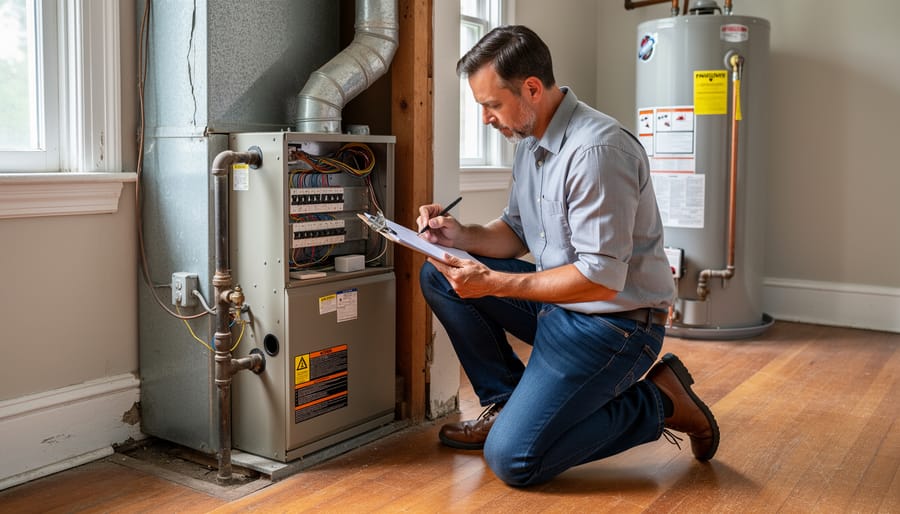
Before diving into renovations, let’s talk about the systems that keep your inherited home running smoothly. Think of these as the vital organs of your house—they need immediate attention to prevent costly surprises down the road.
Start with the HVAC system. When was it last serviced? If you’re unsure, schedule an inspection right away. Listen for unusual noises, check if all rooms heat or cool evenly, and replace those air filters. Systems older than 15 years might need replacement, so get a professional assessment early.
Your plumbing deserves a thorough check too. Turn on every faucet and flush each toilet. Look under sinks for water stains or active leaks. Check the water heater’s age—most last 8-12 years. Low water pressure, discolored water, or gurgling sounds are red flags that warrant a plumber’s visit immediately.
Electrical systems can be tricky since problems aren’t always visible. Test every outlet and light switch. If you spot flickering lights, frequently tripping breakers, or outlets that feel warm to the touch, call a licensed electrician. Homes built before 1990 may have outdated wiring that needs upgrading for safety.
Finally, examine the foundation and roof. Walk around outside looking for cracks in the foundation or missing shingles. Inside, check ceilings and walls for water stains or sagging—these indicate structural issues requiring expert evaluation.
Remember, investing in professional inspections now saves you from emergency repairs later. Consider it like getting a full physical for your new home.
Creating Your Priority List
Once you’ve completed your home assessment, it’s time to organize your findings into a workable plan. Start by creating three categories: must-do-now, should-do-soon, and when-you’re-ready.
Your must-do-now list includes safety issues and critical repairs like faulty electrical systems, roof leaks, or structural damage. These items protect your family and prevent costly deterioration. Budget 40-50% of your initial renovation funds here.
The should-do-soon category covers important but not urgent items like outdated HVAC systems, water heater replacements, or completing a thorough cleaning checklist. These projects improve comfort and efficiency. Allocate 30-35% of your budget for these within the first year.
When-you’re-ready projects are cosmetic updates like kitchen remodels, landscaping enhancements, or painting. These personalize your space but can wait until you’re financially and emotionally ready. Save the remaining budget for these fun transformations.
Consider attending interactive workshops at local home improvement stores to learn cost-saving DIY techniques. Many offer family-oriented activities where everyone can participate in planning your inherited home’s transformation. This approach helps you tackle projects confidently while staying within budget and avoiding overwhelm.
Living Through Renovations: Making It Work
The One-Room-at-a-Time Strategy
Renovating an inherited home doesn’t mean you need to live in constant chaos. The smartest approach is tackling one room at a time, which keeps disruption manageable while ensuring you always have comfortable, functional spaces to retreat to.
Start by choosing your sequence strategically. Prioritize essential rooms like the kitchen and bathroom first, since these directly impact your daily life. If you’re living in the home during renovations, designate one room as your “safe zone” that stays untouched throughout the project. This becomes your sanctuary when construction dust settles everywhere else.
Before starting each room, create a temporary relocation plan for belongings. Pack items carefully in labeled boxes and store them in finished rooms or a protected corner of the garage. Use plastic sheeting to seal doorways and prevent dust from migrating into completed areas. This simple barrier makes cleanup much easier and protects your daily living spaces.
Maintain your routine by establishing alternative arrangements. When renovating the kitchen, set up a temporary cooking station with a microwave, electric kettle, and cooler in another room. If the bathroom is under construction, having a clear timeline helps you plan showers at a friend’s house or gym.
Consider hosting a family workshop day where everyone helps with simpler tasks like painting or organizing. Kids can learn valuable skills while feeling included in the transformation process. Complete one room fully before moving to the next, giving yourself the satisfaction of seeing tangible progress and enjoying functional spaces along the way.
When to Move Out Temporarily
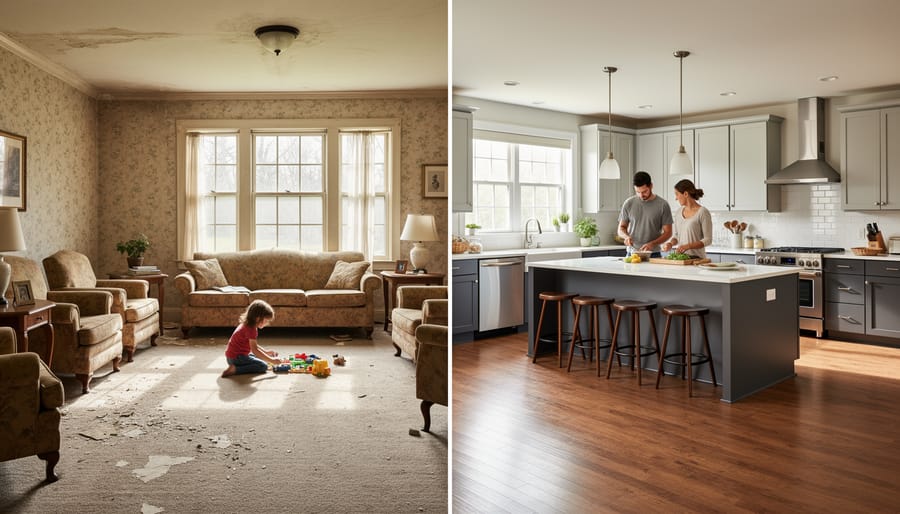
Some renovation projects are simply too disruptive to live through comfortably and safely. Understanding when to pack your bags temporarily can save you stress and protect your family’s health.
Major electrical system overhauls top the list of projects requiring temporary relocation. When rewiring an entire inherited home, you’ll face days without reliable power, exposed wiring, and walls opened throughout the house. Similarly, complete plumbing replacements often mean no running water, torn-up floors, and limited bathroom access. These aren’t just inconveniences—they’re safety concerns, especially for families with young children or elderly members.
Asbestos or lead paint remediation absolutely requires moving out. Professional abatement creates hazardous conditions, and proper containment protocols make living spaces completely inaccessible. Mold remediation on a large scale presents similar challenges, with air quality concerns that necessitate evacuation.
Structural repairs like foundation work or roof replacement can also warrant temporary housing. The noise, dust, and open-to-elements periods make staying put impractical.
Plan ahead by getting realistic timelines from contractors. Ask specifically about milestone dates like when utilities will be shut off or when spaces become uninhabitable. Budget for alternative housing—whether staying with family, short-term rentals, or extended-stay hotels. Many homeowners underestimate these costs, so include them in your renovation planning from the start.
Consider scheduling disruptive projects during times when temporary relocation feels less burdensome, like summer vacation if you have school-aged kids. Remember, a few weeks away beats months of frustration trying to live in a construction zone.
Tackling Deferred Maintenance Without Breaking the Bank
The Roof, Gutters, and Exterior
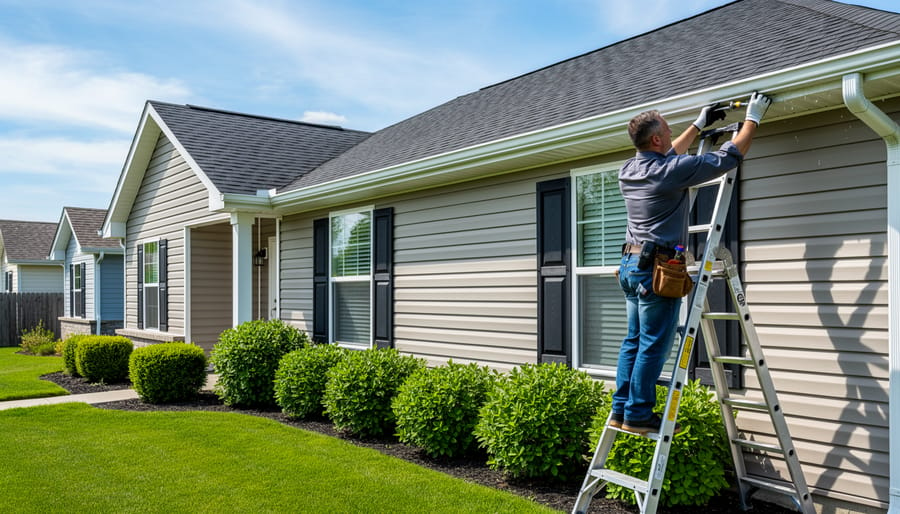
Your roof and gutters are your home’s first line of defense against water damage, which can quickly become one of the most expensive problems you’ll face. Start with a thorough roof inspection—look for missing shingles, cracked flashing around chimneys, or signs of sagging. If you’re not comfortable climbing up there yourself, hiring a professional is money well spent.
Gutters deserve immediate attention too. Clogged gutters can cause water to overflow, damaging your foundation, siding, and landscaping. Clean them out at least twice a year, and consider installing gutter guards to reduce future maintenance. While you’re at it, check that downspouts direct water at least six feet away from your foundation.
Don’t overlook your home’s exterior. Peeling paint isn’t just cosmetic—it exposes wood to moisture and rot. Walk around your property and note any cracks in siding, gaps in caulking around windows, or damaged trim. These small issues are manageable now but can spiral into major renovations if ignored.
Think of exterior maintenance as protecting your investment from the outside in. A weekend spent addressing these basics can prevent thousands in future repairs and give you peace of mind as you settle into your inherited home.
Inside Issues: Flooring, Walls, and Windows
Stepping inside your inherited home, you might encounter flooring that’s seen better days, walls with questionable color choices, and windows that let in more draft than light. Don’t worry—these are fixable issues that many homeowners face.
Start with flooring. Worn carpets can harbor allergens and odors, making replacement a healthy priority. If you’re on a tight budget, luxury vinyl plank offers an affordable, DIY-friendly alternative that mimics hardwood beautifully. For those with more flexibility, refinishing original hardwood floors can reveal stunning character beneath years of wear.
Wall concerns often range from outdated wallpaper to cracked plaster. Fresh paint works wonders for transforming spaces quickly and inexpensively. Many home improvement stores offer family workshops where you can learn proper painting techniques before tackling the job yourself.
Windows deserve special attention since drafty ones drain your wallet through higher energy bills. Start by applying weatherstripping and caulk for immediate improvements. When replacement becomes necessary, energy-efficient options qualify for tax credits in many areas. Consider this an investment that pays dividends through reduced heating and cooling costs.
Remember, you don’t need to tackle everything simultaneously. Prioritize based on functionality first, aesthetics second, and create a phased renovation plan that fits your budget and timeline.
The Forgotten Spaces: Basements, Attics, and Garages
Don’t overlook these hidden areas of your inherited home—they often reveal surprises, both good and challenging! Start with a thorough inspection using a flashlight and notepad. Check basements for moisture issues, foundation cracks, or outdated electrical panels. In attics, look for proper insulation, roof leaks, and adequate ventilation to prevent mold growth.
Garages deserve attention too. Clear out old belongings to assess the space properly, then evaluate the door mechanism, storage potential, and whether the area could benefit from updated lighting or organization systems.
These forgotten spaces often require a deep cleaning approach before you can truly assess their condition. Remove cobwebs, dust, and debris to see what you’re working with. Many families discover these areas offer fantastic opportunities—think home offices, craft rooms, or play spaces for kids.
Consider hosting a family sorting day to tackle accumulated items together. Make it interactive by creating donation, keep, and sell piles. You might uncover valuable heirlooms or simply gain functional square footage that increases your home’s livability and value without major construction costs.
Making It Yours: Renovation Projects That Add Value and Comfort
Kitchen and Bathroom Updates That Matter
Kitchens and bathrooms often make or break a home’s appeal, so they’re smart areas to focus your renovation budget. The good news? You don’t need a complete gut job to see impressive results.
Start with simple, high-impact updates. Fresh cabinet hardware, modern light fixtures, and a new faucet can transform the look for just a few hundred dollars. In kitchens, painting existing cabinets costs significantly less than replacing them—typically $1,500-$4,000 versus $8,000-$20,000 for new cabinetry. Add a tile backsplash yourself for added personality and protection.
For bathrooms, regrouting tile, replacing the toilet, and updating the vanity mirror create a cleaner, more contemporary feel without major plumbing work. Consider refinishing the bathtub instead of replacing it—you’ll save thousands while achieving a like-new appearance.
If you’re planning larger renovations, prioritize functionality alongside aesthetics. Outdated layouts often waste valuable space. In kitchens, improved workflow between the sink, stove, and refrigerator matters more than luxury finishes. For bathrooms, adequate storage and proper ventilation prevent future headaches.
From an investment standpoint, minor kitchen remodels typically recoup 70-80% of costs at resale, while bathroom updates return 60-70%. However, don’t let ROI alone dictate your choices. Since you’re living in the home, balance resale value with creating spaces you’ll enjoy daily. Simple updates that personalize your space make inherited houses feel like home.
Consider attending home improvement workshops at local stores to learn DIY techniques that stretch your budget further while building confidence in your renovation skills.
Energy Efficiency Upgrades
One of the smartest investments you can make in an inherited home is upgrading its energy efficiency. Not only will these improvements lower your monthly utility bills, but they’ll also make the house more comfortable year-round and increase its overall value.
Start by assessing your home’s insulation, particularly in the attic and walls. Many older homes lack adequate insulation, which means you’re essentially heating or cooling the outdoors. Adding or upgrading insulation is relatively affordable and can cut your energy costs by up to 20%. It’s a project that pays for itself within a few years.
Windows are another major source of energy loss. If your inherited home has single-pane windows or drafty frames, consider replacing them with energy-efficient double or triple-pane models. Modern windows feature low-E coatings and gas fills that significantly reduce heat transfer. Can’t afford a full replacement? Weather-stripping and window film offer budget-friendly alternatives that still make a noticeable difference.
Your HVAC system deserves attention too. If the furnace or air conditioner is over 15 years old, upgrading to a modern, high-efficiency model can slash your heating and cooling costs by 30-40%. Look for Energy Star certified units, and don’t forget to schedule regular maintenance to keep everything running smoothly.
Many utility companies offer free energy audits and rebates for efficiency upgrades, so check what programs are available in your area before starting any project.
Garden and Outdoor Space Revival
Rescuing Overgrown or Neglected Gardens
Start by walking the entire garden perimeter to assess what you’re working with. Take photos from different angles and note any plants that are blooming or showing signs of life, even if they’re buried under weeds. This initial survey helps you spot hidden gems worth preserving.
Next, tackle clearing in manageable sections rather than overwhelming yourself with the entire space at once. Remove obvious debris first, then address aggressive weeds and overgrown areas. Many inherited gardens surprise new owners with perennials, bulbs, or even productive fruit trees that spring back once given proper care and sunlight.
Deciding what to keep versus what to remove requires patience. Wait through at least one growing season before making major decisions, especially if you inherited the property in fall or winter. That mystery plant might turn into beautiful peonies or provide an opportunity for harvesting vegetables come spring.
Consider hosting a family garden clearing day to make the work more enjoyable. Kids can help identify different plant types while adults handle heavier pruning and clearing. Local garden centers often offer free workshops on plant identification and garden restoration, which can be invaluable for inherited outdoor spaces. If certain areas feel beyond repair, starting fresh with new soil and plantings is perfectly acceptable and sometimes the most practical solution.
Creating Your Own Outdoor Oasis
Inherited outdoor spaces offer incredible potential to create areas your family will treasure for years to come. Start by evaluating what you’ve got – whether it’s a small patio, sprawling lawn, or overgrown garden beds. Consider how your family actually wants to use the space before diving into projects.
For families with children, converting unused areas into play zones creates safe, supervised outdoor time. A simple sandbox, swing set, or designated ball-playing area doesn’t require major investment but delivers daily enjoyment. Safety comes first, so check fencing, remove hazardous plants, and ensure clear sightlines from windows.
Patios and decks become natural gathering spots with minimal effort. Power wash existing surfaces, add comfortable seating, and incorporate potted plants for instant appeal. String lights transform these spaces into evening retreats perfect for family dinners or weekend gatherings.
If you’ve inherited fruit trees or berry bushes, embrace them! These established plants provide immediate rewards. Learn to preserve fruit harvests and turn your bounty into delicious homemade treats.
Consider hosting a family workshop weekend where everyone tackles outdoor projects together. Kids can help plant flowers, paint planters, or design garden markers. These hands-on activities build ownership in your new space while creating lasting memories in your inherited home.
Finding Help: Resources and Expert Guidance
Learning From the Pros
Home improvement shows and community workshops offer invaluable opportunities to fast-track your learning curve when tackling an inherited property. These events bring together industry professionals, product manufacturers, and experienced contractors all under one roof, giving you direct access to expert knowledge without the pressure of making immediate purchasing decisions.
Interactive workshops at these shows are particularly helpful for hands-on learners. You can watch demonstrations on everything from basic plumbing repairs to advanced tile installation techniques, often with chances to practice yourself. The experts leading these sessions welcome questions and can provide personalized advice for your specific situation.
Don’t overlook the value of casual conversations with exhibitors. They’re genuinely interested in helping you understand your options and can often spot red flags in your project plans before you invest time and money. Many will review photos of your inherited home’s trouble spots and suggest practical solutions on the spot.
Consider attending multiple events before committing to major renovations. This comparative shopping approach helps you understand market pricing, discover newer products that might save you money, and build confidence in your decision-making. Plus, family-oriented activities at these shows make learning enjoyable for everyone involved in your home transformation journey.
Building Your Team
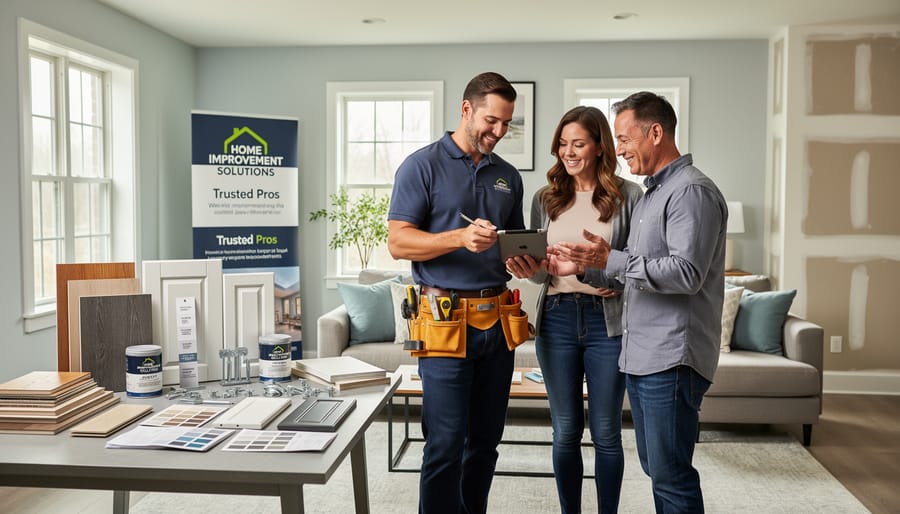
Finding the right professionals doesn’t have to feel overwhelming. Start by asking neighbors and local community groups for recommendations, especially people who’ve lived in the area for years. They’ll know which contractors show up on time and stand behind their work. Get at least three quotes for major projects, and don’t automatically choose the cheapest option. Check online reviews, verify licenses and insurance, and ask to see photos of completed projects similar to yours.
For smaller tasks like painting, basic landscaping, or minor repairs, DIY can save money and help you connect with your inherited home. However, electrical work, major plumbing, structural changes, and anything involving permits should always go to licensed professionals. Your safety matters more than savings.
Build your network gradually. Start with essentials: a reliable handyman, plumber, electrician, and HVAC technician. Keep a digital folder with their contact information, service records, and notes about what worked well. Many homeowners find that attending local home improvement workshops helps them meet trustworthy professionals while learning valuable maintenance skills. Once you’ve found good people, treat them well. Professionals who know you’re a respectful, paying customer will prioritize your calls when emergencies strike.
Transforming an inherited home into your own personal sanctuary is a journey worth taking, not a race to the finish line. Give yourself permission to move at your own pace – there’s no deadline for making this house truly yours. Each decision you make, from preserving grandmother’s rose garden to updating that vintage kitchen, becomes part of your own family story while honoring the memories already held within those walls.
Remember, you don’t have to tackle everything alone. Today’s homeowners have access to incredible resources that previous generations could only dream of. Home improvement shows offer endless inspiration and practical tutorials that break down complex projects into manageable steps. Local workshops and family-friendly DIY classes can turn intimidating tasks into fun learning experiences for everyone in your household.
The reward waiting at the end of this journey is immeasurable – a home that beautifully blends cherished history with your family’s future. You’ll create new memories in spaces that once belonged to someone you loved, adding your own chapter to the home’s ongoing story.
Don’t hesitate to reach out for expert help when needed. Professional contractors, home inspectors, and renovation specialists exist to make your life easier, not to judge your knowledge level. Their guidance can save you time, money, and stress while ensuring quality results. Your inherited home is more than just property – it’s an opportunity to build something meaningful. Embrace the process, celebrate small victories, and enjoy watching your vision come to life.