 lula
Most home and garden events organize their entertainment into a handful of familiar categories: stage talks, hands-on workshops, live demonstrations, expert seminars, and family activities. Knowing which is which makes it much easier to decide whether an event is worth your day and how to plan around it.
Talks and seminars are the sit-down sessions, usually 30 to 60 minutes, where an expert walks you through a topic like pruning basics or choosing the right deck material. Demos are more visual, so you watch a pro build, plant, or repair something in real time. Workshops are where you roll up your sleeves, and they’re the part of the day we’d pick first. Kids and parents also get their own activities, from planting stations to build-it projects.
No confirmed 2026 schedule has been published, so exact times and topics will come from the official event program. Until then, this guide breaks down each category, what to expect from it, and how to map out a day that keeps everyone happy.
How Entertainment at a Home and Garden Show Works
If you picture “entertainment” as a single stage with a band, think again. At a home and garden show, it’s really a mix of things happening all around you. Stage presentations bring in experts to talk through ideas for your yard or home. Live demos let you watch a tool or product do its job right in front of you. Workshops invite you to roll up your sleeves and try something yourself. And family zones give the kids their own space to play and create.
With 600+ booths in the mix, the activities are woven in among the exhibits rather than tucked off in a corner. That’s the fun of it. You can wander from a display of outdoor living ideas straight into a demonstration, then circle back to browse.
At the Patriha Events Center, the layout generally keeps these spots easy to find, so you won’t feel like you need a map and a compass. Still, every show is a little different, and the details can shift from one year to the next.
That’s why a quick look at the printed or online schedule when you arrive pays off. It takes two minutes, and it tells you what’s on and where, so you can plan your day around the sessions you actually care about. No prior show experience needed.
The Entertainment Shows List: Types of Programs to Look For
Live Stage Presentations and Garden Talks
Live stage presentations are the closest thing a home and garden show has to a headline act. Think of them as short, practical classes led by people who work with plants, soil, and outdoor spaces every day. You sit down, listen, and walk away with ideas you can use that weekend.
Topics usually follow what homeowners are actually asking about. You might catch a talk on landscaping ideas for a small yard, a guide to choosing plants that suit your sun and soil, or a seasonal checklist for keeping your lawn and beds in good shape. Speakers tend to skip the jargon and explain things in plain terms, so you don’t need any gardening background to follow along.
The best talks leave you with something concrete. Maybe it’s a simple rule for spacing shrubs, a smarter way to time your watering, or a short list of plants that handle your local weather. Bring a notebook or use your phone to jot down names and tips while they’re fresh.
Because stage topics and times change from show to show, check the official schedule when you arrive. Then pick one or two talks that match your own projects and build the rest of your day around them.
Hands-On Workshops You Can Join In
Hands-on workshops are where the show really comes alive. Instead of just watching, you roll up your sleeves and try the skill yourself, whether that’s potting a seedling, building a container planting, or tackling a simple DIY project you can finish in one sitting. For hobbyists, it’s the fastest way to learn, because you get a pro’s tips while your hands are actually in the soil.
Joining in is usually simple. Check the schedule when you arrive, head to the workshop area a little early, and grab a spot. Spaces and formats vary from session to session, so some may be drop-in while others fill up fast. Some shows and fairs ask for sign-ups, and in some cases preregistration is required so check the official show resources before you go.
A few small things make the experience much better:
- Comfortable shoes, since you may be standing or kneeling for a while.
- A notebook or your phone for photos and quick notes.
- A tote bag to carry your take-home projects.
- Your own project questions, so you can ask the instructor directly.
Don’t worry if you’ve never done any of this before. The workshops are built for beginners, and you’ll leave with a finished project and a few new ideas to try at home.
Live Demonstrations at Exhibitor Booths
Walk the aisles and you’ll find exhibitors doing more than handing out brochures. Many show their products in action right at the booth, which is often the fastest way to understand what something actually does. Think of a tool cutting through a stubborn branch, an outdoor gadget being set up in seconds, or a home improvement fix going from messy to finished while you watch.
These demos are a great chance to compare. If two booths sell similar products, watch both and notice how each performs, how easy it looks to use, and how much cleanup it leaves behind. Then ask questions. How long does it last? What maintenance does it need? Is it a good fit for a small yard or an older home? Exhibitors are right there and usually happy to explain.
A few habits help. Jot down quick notes or snap a photo of products you like, so details don’t blur together by the end of the day. Ask for a hands-on try when it’s offered.
Keep an eye out for show-only deals, too. Exhibitors sometimes offer special pricing for attendees, so it pays to watch a demo before you buy.
Seminars for Bigger Projects
If you’re planning something bigger than a weekend project, like a kitchen remodel, a backyard overhaul, or a seasonal maintenance routine, seminars are worth carving out time for. These sessions run longer than a quick demo, so presenters can walk through the whole process, from budgeting and timelines to common mistakes.
Start by picking a seminar that matches where you are in your project. If you’re still dreaming up ideas, a broad planning session will help you sort out what’s realistic. If you’ve already got a contractor quote in hand, look for something focused on the specific work, like drainage, decking, or garden design.
Prepare a few questions ahead of time. Jot down your budget range, your yard’s quirks, and anything that’s stumped you so far. Photos on your phone of the space you’re working with can make your questions much easier to explain.
Bring a notebook, too. Seminars move quickly, and you’ll want to capture names of materials, rough cost ranges, and next steps. Since topics and lengths vary, check the official schedule before you go so you can plan around the sessions that fit your project best.
Family-Friendly Fun for Kids and Grown-Ups Alike

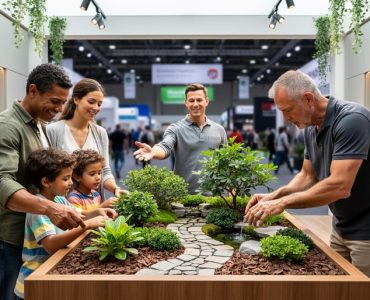
Bringing kids to a home and garden show doesn’t have to mean cutting your own browsing short. The Patriha Home and Garden Show leans into family fun, so there’s plenty to keep little ones busy while you explore.
Start with the children’s play areas. These give kids a place to burn off energy, which usually makes the rest of the visit calmer for everyone. Many families treat the play zone as a home base: let the kids play for a while, then head out for a booth loop together.
Kid-friendly creative and planting activities are worth seeking out too. Planting a seed in a small pot or making a simple craft gives children something to carry home and watch grow. It also turns the show into a shared project instead of a long walk past booths they can’t touch.
A few simple tips help the day go smoothly:
– Walk the show in short loops, with a play break between each one.
– Pack snacks and a water bottle so a hungry meltdown doesn’t derail your plans.
– Give older kids a small job, like spotting their favorite plant or finding a booth with a demo.
– Save the detailed conversations with exhibitors for when the kids are happily occupied.
Mixing kid time with adult time is the real trick. While the little ones are at an activity, use that window to compare products and ask questions at a booth. If you’re hoping to catch some show deals our Z-Value guide can help you spot which ones are actually worth your attention. Plan a quick scan first, then come back when the kids are settled.
How to Plan Your Day Around the Shows
A good day at the show starts with a loose plan, not a rigid itinerary. You want enough structure to catch the sessions you care about, with room left over for the surprises that make these events fun.
Here’s a simple routine that works for most visitors:
- Check the official show schedule before you go, or grab a copy when you arrive.
- Mark two or three must-see sessions, such as a workshop you want to join or a talk on your biggest project.
- Look at the booth map and note which exhibitors sit near each session, so you can browse nearby before or after.
- Build in a real break, whether that’s a snack, a bench, or a quiet few minutes while the kids burn off energy.
- Leave open time to wander, because the best finds are often the booths you didn’t plan to visit.
Popular hands-on workshops tend to fill up, so arriving a little early gives you the best shot at a spot. Don’t cram every hour full, though. Learning is great, but a tired brain forgets fast. Alternate something active with something relaxed, and you’ll leave with good ideas and energy to spare.
Common Questions About Show Entertainment
Do activities cost extra? It depends on the activity. Many shows and demos are included with admission, while some hands-on workshops or special features may have their own details. Check the official Patriha Home and Garden Show resources before you go so there are no surprises.
Do workshops need advance sign-up? Formats vary, and some sessions are first come, first served while others may ask you to register. The safest move is to look at the current schedule ahead of time and arrive early for anything popular.
How do I find the current schedule? Head to the official show website or look for the printed schedule when you arrive. It’s worth grabbing one at the door so you can plan your day around the sessions that matter most to you.
Are the shows good for kids? Yes, the day is built to be family-friendly. Between the children’s play areas and kid-friendly activities, there’s something for younger visitors, and parents can browse in between. If you enjoy audience interaction, our guide to Q&A shows explains how to bring your own questions.
For confirmed times, pricing, and sign-up details, the official show resources are always your best source.
A day at the Patriha Home and Garden Show is really a mix of experiences. You can catch an expert garden talk in the morning, roll up your sleeves at a hands-on workshop, watch a live demo that settles which tool to buy, and still have time to let the kids loose in the play areas. That variety is what makes the show feel like an outing rather than a shopping trip.
Before you go, take a few minutes to look over the official schedule and circle the sessions you’d hate to miss. Then leave some breathing room for wandering, because the best finds are often the ones you didn’t plan for.
Bring comfortable shoes, a few questions, and your curiosity. With a loose plan and a good attitude, you’ll leave with fresh ideas, new skills, and maybe a few great deals.